Best 3-Wheel Scooters for Toddlers: Stable First Rides (2026)
Five toddler scooters that stand on their own, steer by leaning and grow with your child, plus how to pick the right one.
Why Toddlers Start on Three Wheels
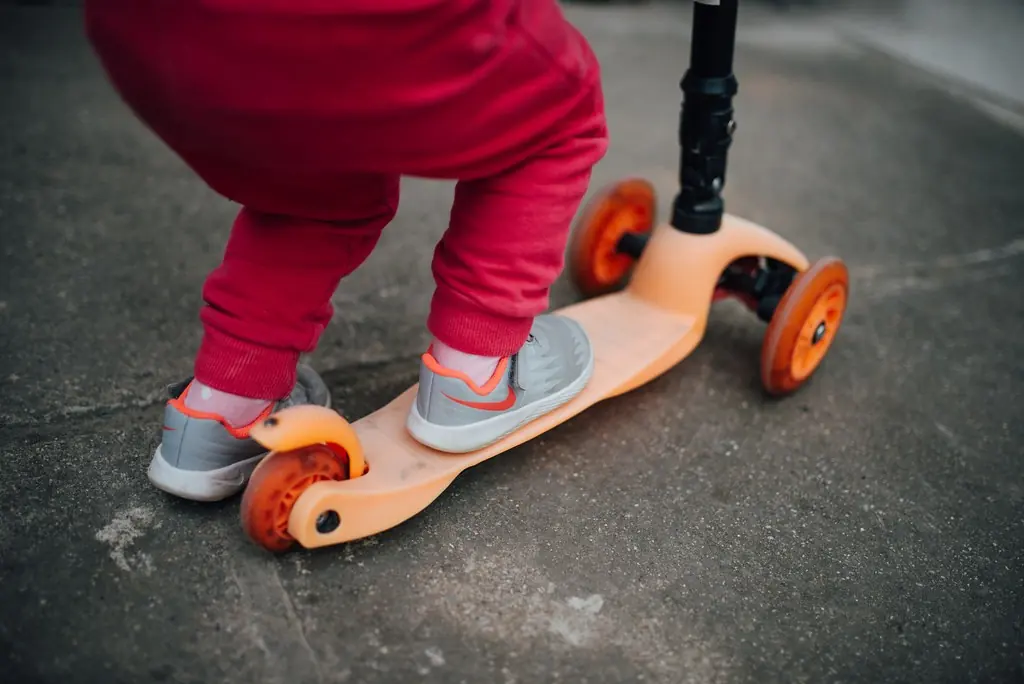
A three-wheel scooter stands up by itself, so a toddler can step on without it tipping over. Most have two wheels at the front and one at the back, a low deck that's easy to push from and a handlebar the child leans to steer. That combination makes three-wheelers the natural first scooter for children around 2 to 5. Our guide to the best kids' scooters covers older children and two-wheelers.
Micro Kickboard Mini Deluxe
Best overall toddler scooter
- Smooth lean-to-steer
- Made for ages about 2 to 5
- Adjustable handlebar
Globber Go Up Baby 360 Lights
Best convertible scooter with seat
- Grows from about 15 months to 6 years
- Seat and scooter modes
- Changes modes without tools
Radio Flyer My 1st Scooter
Best simple budget pick
- Made for ages about 2 to 5
- Low, wide deck
- From a long-running kids' brand
Toddler Scooters Compared
| Scooter | Ages (Listed) | Steering | Seat | Adjustable Bar |
|---|---|---|---|---|
| Micro Kickboard Mini Deluxe | About 2–5 | Lean-to-steer | Optional accessory | Yes |
| Globber Go Up Baby 360 Lights | About 15 months–6 years | Lean-to-steer | Yes, removable | Yes |
| Radio Flyer My 1st Scooter | About 2–5 | Check listing | No | Check listing |
| Globber Primo | From about 3 | Lean-to-steer | No | Yes, fixed steps |
| Gotrax KS1 | Check listing | Check listing | No | Yes |
Ages and features are as listed by the makers at the time of writing; check the current listing before buying.
The Best 3-Wheel Scooters for Toddlers
1. Micro Kickboard Mini Deluxe
The Mini Deluxe is the scooter many parents compare others against. Its lean-to-steer system is smooth and intuitive, the low deck makes pushing easy and the handlebar adjusts as your child grows. It has a rear foot brake. The main downside is price, though it tends to last through several children.
Good to Know
- Very smooth steering
- Low, roomy deck
- Adjustable handlebar
Watch Out For
- Costs more than most toddler scooters
- Seat sold separately
2. Globber Go Up Baby 360 Lights
The Go Up is a convertible scooter. It starts as a sit-on ride-on for young toddlers, then converts into a standing scooter as they gain confidence. Globber lists a range from about 15 months to 6 years and says modes change without tools. Light-up wheels add some fun.
Good to Know
- Long usable age range
- Seat for younger toddlers
- Tool-free changes
Watch Out For
- Bulkier than a simple scooter
3. Radio Flyer My 1st Scooter
Radio Flyer's first scooter is a simple, low-cost three-wheeler for ages about 2 to 5. It's a good choice if you want to see whether your child takes to scooting before spending more. Expect fewer adjustments and simpler steering than premium models.
Check Price on Amazon4. Globber Primo
The Primo is a step up for preschoolers and young school-age children, with lean-to-steer, a handlebar that adjusts in fixed steps and a slightly larger platform than toddler scooters. It's a good next scooter after a toddler model.
Check Price on Amazon5. Gotrax KS1
The KS1 is a budget three-wheel scooter with LED light-up wheels and an adjustable handlebar. It's an affordable option for occasional use; premium scooters generally steer more smoothly.
Check Price on AmazonHow to Choose a Toddler Scooter
Handlebar Height
The handlebar should sit around your child's waist to hip height. Too high and steering is awkward; too low and they'll hunch over. Check the minimum and maximum heights on the listing and compare them with your child.
Steering Style
Lean-to-steer scooters turn when the child leans the bar and body. They're stable and build balance, but take a few minutes to learn. Some budget scooters use a turning handlebar, which feels familiar but can make it easier to over-steer and tip.
Deck Height and Size
A low deck makes pushing easier for short legs. A wider deck gives room to stand with both feet.
Seat or No Seat
Convertible scooters with seats suit younger toddlers who aren't ready to stand and push. They extend the useful life of the scooter, but they're heavier and bulkier.
Weight
Toddlers need to push and steer the scooter, and you'll often carry it home. Lighter scooters are easier for both of you.
Brake
Most toddler scooters have a rear foot brake: the child presses the back fender. Many toddlers simply put a foot down at first, so practice braking gently on flat ground.
Teaching Your Toddler to Scoot
- Fit the helmet so it sits level and fastens snugly.
- Start on smooth, flat ground away from driveways and streets.
- Show them how to stand with one foot on the deck and hold the handlebar.
- Encourage small pushes with the other foot, walking alongside.
- Show how leaning makes the scooter turn.
- Practice stopping by pressing the back brake or putting a foot down.
- Keep sessions short and fun.
Three Wheels or Two?
| Three-Wheel Scooter | Two-Wheel Scooter | |
|---|---|---|
| Stands on its own | Yes | No |
| Steering | Usually lean-to-steer | Turning handlebar |
| Balance needed | Low | Higher |
| Typical ages | About 2 to 6 | About 5 and up |
| Speed | Slower, controlled | Faster |
Most children move to two wheels around ages 5 to 7, once they can glide confidently and steer smoothly. Some larger three-wheelers, such as the Micro Maxi, extend the three-wheel stage for children who prefer the stability.
Signs Your Child Is Ready to Scoot
- They can walk and run steadily and stand on one foot briefly.
- They can hold a handlebar with both hands while walking.
- They'll keep a helmet on.
- They show interest when they see other children scooting.
Children under about two often do better with a sit-on ride-on or a convertible scooter in seated mode.
Storage and Portability
Toddler scooters spend a lot of time being carried. Look for a lightweight frame, a handlebar that removes or folds and a shape that fits in a stroller basket or car trunk. Removing the handlebar on some models also makes storage at home easier.
Safety Tips
- Always use a helmet that meets the CPSC bike helmet standard.
- Choose closed-toe shoes.
- Supervise closely and stay within arm's reach at first.
- Avoid slopes, wet ground and areas near traffic.
- Check the handlebar lock and wheels regularly.
When your child outgrows three wheels, read the scooter size guide for kids. Thinking about a balance bike instead? See the best balance bikes.
Frequently Asked Questions
What age can a toddler ride a 3-wheel scooter?
Many three-wheel scooters are designed for children from about age 2, and some convertible models with seats start from around 15 months in seated mode. Follow the maker's age and weight guidance.
How do 3-wheel toddler scooters steer?
Most use lean-to-steer: the child leans the handlebar and their body to the side, and the scooter turns. It feels unusual at first but builds balance skills.
Is a scooter or balance bike better for a toddler?
Both help. A balance bike is usually the more direct route to riding a pedal bike, while a scooter is lighter and easy to take on walks. Many families use both.
Do toddlers need a helmet on a scooter?
Yes. A properly fitted helmet meeting the CPSC bike helmet standard is the most important safety item, even at walking speed.
What handlebar height does a toddler need?
Aim for a handlebar around the child's waist to hip height. Adjustable bars let the scooter grow with them.