Best Mini Bikes for Adults and Kids, Gas and Electric (2026)
How gas and electric mini bikes compare, which models suit which riders, and the safety rules that matter before the first ride.
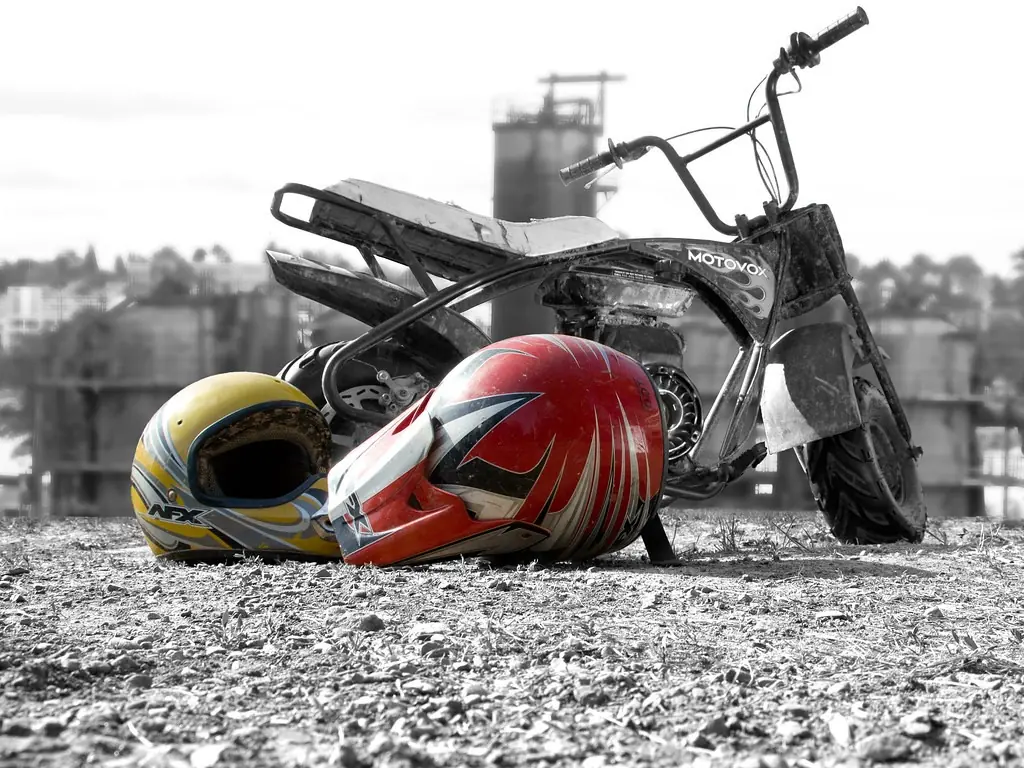
What Is a Mini Bike?
A mini bike is a small, simple motorbike with a low seat, small wheels and a basic frame. Most are designed for off-road fun on private land, trails and campgrounds where they're allowed. Classic gas mini bikes use a small four-stroke engine, often around 196cc to 212cc, with a centrifugal clutch, so there's no gear shifting: twist the throttle and go. Electric mini bikes and kids' electric dirt bikes use a battery and motor instead.
Mini bikes aren't toys. They're motorized vehicles that can cause serious injuries, so age guidance, supervision and proper gear matter.
Razor MX650 Dirt Rocket
Best electric option for teens
- Listed top speed up to 17 mph
- Chain-driven electric motor
- Steel frame with dirt bike geometry
Razor MX400 Dirt Rocket
Best electric option for younger riders
- Listed top speed up to 14 mph
- Built for gentle hills and dirt paths
- Smaller than the MX650
Razor SX350 McGrath Dirt Rocket
Best for young motocross fans
- Motocross-style frame
- Scaled down for younger riders
- Licensed McGrath graphics
Gas vs Electric Mini Bikes
| Gas Mini Bike | Electric Mini Bike | |
|---|---|---|
| Typical rider | Older teens and adults | Kids and younger teens |
| Speed | Often around 20–25 mph | Often around 10–17 mph on kids' models |
| Run time | Refuel in minutes | Limited by battery; recharging takes hours |
| Noise | Loud | Quiet |
| Maintenance | Oil, fuel, spark plug, chain | Battery care, chain, tires |
| Where to buy | Big-box stores, powersports dealers | Widely available online |
The Best Mini Bikes
1. Razor MX650 Dirt Rocket
The MX650 is the largest of Razor's MX electric dirt bikes. Its listing describes a chain-driven, high-torque motor with speeds up to 17 mph, a steel frame with dirt bike geometry and pneumatic knobby tires. It suits teens who want a real dirt bike feel without gas. Check the maker's age and weight guidance; it's too big and fast for young children.
Good to Know
- Quiet electric power
- Real dirt bike styling
- No fuel or oil
Watch Out For
- Limited run time per charge
- Heavy to lift
2. Razor MX400 Dirt Rocket
The MX400 is a smaller electric dirt bike. Razor lists speeds up to 14 mph and describes it as made for gentle hills, dirt paths and backyard riding. It's a sensible step for younger riders who meet the age guidance and are ready for something more than a balance bike or scooter.
Check Price on Amazon3. Razor SX350 McGrath Dirt Rocket
The SX350 is a motocross-styled electric bike scaled down for younger riders, with licensed graphics from supercross champion Jeremy McGrath. It's the pick for kids who love motocross looks; performance is in line with Razor's smaller MX models.
Check Price on Amazon4. Coleman Powersports CT200U (Gas)
If you want a classic gas mini bike, the Coleman CT200U is one of the best-known models. Published specs describe a 196cc single-cylinder engine, a 200 lb rider limit, a recommended age of 13 and up, a top speed around 20 mph and a rear drum brake. Gas mini bikes are usually sold through big-box and powersports retailers rather than Amazon, so check local stores and the maker's site.
How to Choose a Mini Bike
Match the Bike to the Rider
Size and weight matter more than speed. The rider should be able to sit with both feet touching the ground and reach the controls comfortably. Always stay within the maker's listed age and weight limits.
Engine Size and Power
Gas mini bikes commonly use engines from under 100cc on smaller models up to around 212cc on adult-sized ones. Bigger engines bring more speed and torque, which also means more risk for inexperienced riders. For electric bikes, compare battery voltage, listed speed and run time.
Brakes
Many budget mini bikes use a single rear drum or band brake, which is fine at low speeds but takes longer to stop. Larger or more expensive models may add front brakes or disc brakes. Practice braking on flat ground before riding anywhere else.
Suspension and Tires
Basic mini bikes often have no suspension and rely on fat tires for comfort. Models with front forks or rear shocks ride more smoothly on rough trails. Knobby tires grip on dirt; smoother tires suit pavement on private property.
Safety Features
Look for a chain guard, a kill switch and, for kids' bikes, a speed limiter or parental controls where available. A throttle limiter screw on some gas bikes can reduce top speed for beginners.
Where Can You Ride a Mini Bike?
In most places, mini bikes aren't street legal and can't be ridden on public roads or sidewalks. Typical places to ride include private land with the owner's permission and off-road vehicle areas that allow small bikes. Some campgrounds and parks ban motorized bikes. Check state and local rules and any age requirements before you ride.
Safety Gear Checklist
- A properly fitted motorcycle-style helmet. A DOT-rated helmet is designed for motorized speeds; a bicycle helmet isn't.
- Goggles or a visor for eye protection.
- Gloves, long sleeves and long pants.
- Over-the-ankle boots.
- Knee and elbow pads for younger riders.
Which Mini Bike for Which Rider?
| Rider | Typical Choice | Notes |
|---|---|---|
| Young children | Small electric ride-ons | Low speeds, parental supervision |
| Older kids | Small electric dirt bikes | Follow the maker's age and weight guidance |
| Teens | Larger electric bikes or small gas mini bikes | Proper gear and supervised riding areas |
| Adults | Gas mini bikes around 196cc to 212cc | Check the rider weight limit |
Breaking In a Gas Mini Bike
New engines often need a short break-in period. Follow the maker's manual, but common advice includes checking oil before the first start, running the engine at varied, moderate speeds for the first few hours and changing the oil early. Check chain tension and bolt tightness after the first rides, because new chains stretch and vibration loosens hardware.
Fuel and Storage
- Use fresh fuel of the grade the manual recommends; old fuel causes hard starting.
- For long storage, follow the manual's advice on fuel stabilizer or draining the tank.
- Store bikes in a dry, ventilated place away from flames and living areas.
- For electric bikes, store batteries partly charged and away from extreme heat and cold.
Costs Beyond the Bike
Budget for a proper helmet and riding gear, plus ongoing costs such as fuel, oil, chains, tires and replacement batteries for electric bikes. Some riding areas charge entry fees or require permits.
Basic Maintenance
For gas bikes, check the oil before every ride, use fresh fuel, keep the chain lubricated and adjusted and check tire pressure and brakes. For electric bikes, charge the battery as the maker directs, store it out of extreme heat and cold and keep the chain and brakes adjusted. Tighten bolts regularly, because vibration loosens them.
Looking for something less powerful? See how fast a 50cc scooter goes, electric scooters for kids and BMX bikes.
Frequently Asked Questions
Are mini bikes street legal?
Generally not. Most mini bikes lack the lights, mirrors, emissions certification and registration needed for public roads. They're designed for private property and off-road areas where allowed. Rules vary by state and city, so check locally.
What age is a gas mini bike for?
Many gas mini bikes are designed for riders about 13 and older, and some larger models are for adults only. Always follow the maker's age and weight guidance and supervise younger riders.
How fast does a mini bike go?
Small electric models for kids are often limited to around 10 to 17 mph. Common 196cc to 212cc gas mini bikes are often listed around 20 to 25 mph, depending on the model, rider weight and terrain.
Gas or electric mini bike: which is better?
Electric bikes are quieter, cleaner and simpler to maintain, which suits younger riders and neighborhoods. Gas bikes go further on a tank, refuel quickly and usually suit older teens and adults, but need more upkeep.
What safety gear is needed for a mini bike?
A properly fitted motorcycle-style helmet, eye protection, gloves, long sleeves and pants, and over-the-ankle boots. Knee and elbow pads are a good idea for young riders.