Where to Skateboard: Spots, Rules and Where to Buy (2026)
Finding good ground is half the fun. Here are the best places to skate as a beginner, spots to avoid, and where to buy a board.
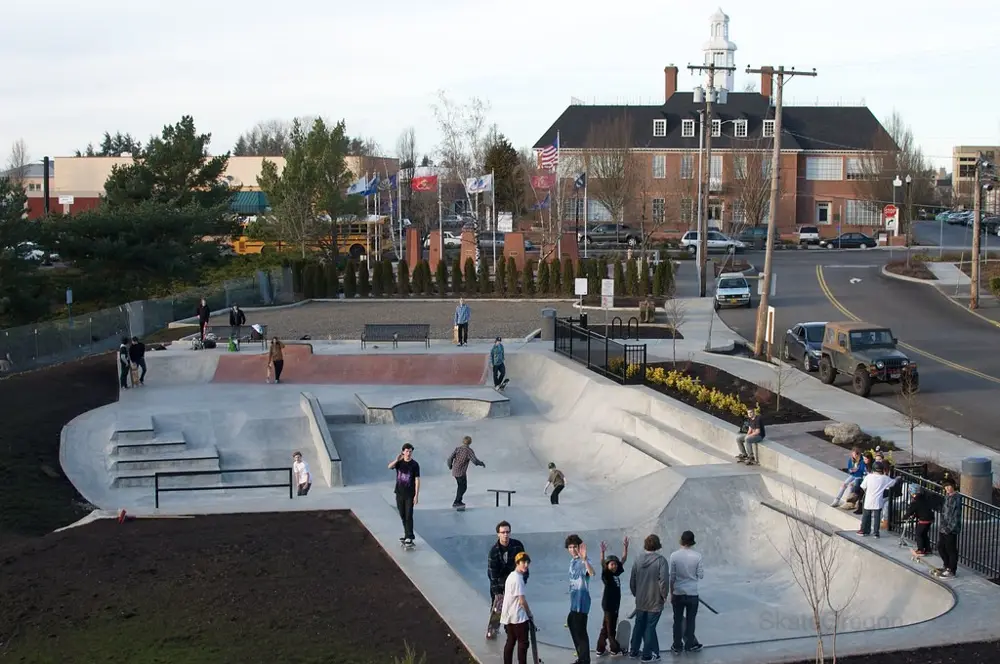
Best Places to Skate
| Spot | Good For | Notes |
|---|---|---|
| Skateparks | All levels | Smooth surfaces, ramps, community |
| Empty parking lots | Beginners | Check permission and traffic |
| Basketball or tennis courts | Flatground practice | Only where allowed |
| Bike paths and promenades | Cruising | Watch for walkers and cyclists |
| Garages and driveways | Practice at home | Small but convenient |
| Indoor parks | Winter and rain | Usually paid entry |
Skateparks
Skateparks are built for skating, with smooth concrete and obstacles. Go early for quieter sessions, learn etiquette (wait your turn, don't stand in lines), and wear a helmet; some parks require one. See best skateparks in the US and best skateparks in the world.
No Skatepark Nearby?
- Your driveway or garage: great for learning to balance, ollies and manuals.
- Quiet streets and cul-de-sacs: smooth, low-traffic pavement for pushing and turning. Watch for cars.
- Empty parking lots: big, flat and open after business hours, where skating is allowed.
- Parking garages: smooth concrete and shelter from rain, but often private property, so ask first.
- Carpet or grass: for stationary trick practice when you can't get outside.
- Build your own: a small ramp, rail or ledge at home. See skateboard ramps and how to make a rail.
Good Surfaces
Smooth concrete is ideal. Coarse asphalt and cracked sidewalks are rough and slow; soft cruiser wheels help there. For grinds, metal edges and rails slide best, and concrete ledges often need a little skate wax. Avoid wet, sandy or gravelly ground.
Finding Spots
- Search maps for "skatepark" and check reviews and photos.
- Ask at your local skate shop; staff usually know every spot in town.
- Follow local skaters and skatepark groups online.
- Check your city's parks department for parks and opening hours.
Spots to Avoid
- Busy roads and intersections.
- Rough, cracked or gravel surfaces.
- Steep hills before you can stop.
- Private property where skating isn't allowed.
- Wet or icy ground.
Why Skateboarding Is Banned in Some Places
Property owners and cities restrict skating over safety around pedestrians, damage from grinding ledges and benches, liability concerns and noise. You'll often see "skatestoppers," small metal knobs added to ledges to prevent grinding. Respect signs and security; skateparks exist so there's always a legal place to skate.
Etiquette
- Take turns at the park.
- Look before you drop in.
- Be kind to beginners and pedestrians.
- Leave spots cleaner than you found them.
Where to Buy a Skateboard
Local skate shops help you choose sizes and set up boards. Online offers wide selection; buy from reputable brands rather than toy-store boards. See best skateboards for beginners, are Walmart skateboards good and skateboard brands. Shopping for skates? See best roller skates.
More: skateboarding at night and skateboarding in winter.
Frequently Asked Questions
Where can beginners skateboard?
Smooth, flat, quiet places like empty parking lots, basketball courts (if allowed) and beginner areas at skateparks.
Is it legal to skateboard anywhere?
No. Some cities, campuses and businesses restrict skateboarding. Check posted signs and local rules.
How do I find skateparks near me?
Search maps for skateparks, ask at local skate shops or check your city's parks department.
Where should I buy a skateboard?
Local skate shops are great for advice and setups; online retailers offer wide selection.
Can I skate on the road?
Rules vary. Roads carry traffic risks; quieter paths and parks are usually safer.